




Introduction
The story of Waylon Jennings and Jesse Colter is much more than the story of two country singers who happened to be married. Their relationship developed during one of the most important periods in modern country music, when artists were beginning to challenge Nashville’s traditional recording system and create music on their own terms.
Waylon Jennings became one of the defining figures of Outlaw country, while Jessi Colter—whose birth name was Mirriam Johnson—built her own reputation as a singer, songwriter, and pianist. Together, they shared a marriage, a family, recording sessions, tours, and a place in the musical movement that changed country music during the 1970s.
Their story also had difficult chapters. Fame, touring, personal struggles, and Jennings’s substance-abuse problems placed pressure on their marriage. Yet their connection continued to influence their music and remained an important part of both artists’ histories.
This article explores how Waylon Jennings and Jesse Colter met, how their marriage developed, which songs they recorded together, and why their partnership remains important to country music history.
Who Were Waylon Jennings and Jesse Colter?
Waylon Jennings was born on June 15, 1937, in Littlefield, Texas. He began his career in radio and music before becoming a bassist for Buddy Holly. He later developed a distinctive country sound that helped establish him as one of the central figures of the Outlaw country movement.
Jessi Colter was born Mirriam Johnson on May 25, 1943, in Phoenix, Arizona. Music was part of her life from an early age, and she eventually worked with guitarist Duane Eddy before establishing herself as a country performer and songwriter. PBS notes that her songwriting and recording career eventually led to major successes of her own.
Although Jennings became more closely associated with the Outlaw country label, Colter was never simply an extension of her husband’s career. She had her own voice, songwriting background, recordings, and audience.
That distinction is important when looking at their story. They were partners in life and music, but each artist had a separate identity.
How Did Waylon Jennings and Jesse Colter Meet?
Waylon Jennings and Jessi Colter met in Arizona in the late 1960s. At the time, Colter had already experienced a career in music and had previously been married to guitarist Duane Eddy.
After her marriage to Eddy ended, Colter returned to Arizona. There she met Jennings, who was already developing his reputation as a country performer.
According to PBS’s biography of Colter, the two fell in love and married in October 1969. Colter’s mother performed the marriage ceremony. Around this period, Mirriam Johnson adopted the professional name Jessi Colter.
Their relationship soon became both personal and professional.
When Did Waylon Jennings and Jessi Colter Get Married?
Waylon Jennings and Jessi Colter married in October 1969 in Phoenix, Arizona. Sources differ slightly on the exact day, with commonly cited biographies giving October 26, while other accounts list October 27. The broader historical record is consistent that the marriage took place in October 1969.
They remained married until Jennings died in 2002.
How Did Jessi Colter Become Part of Waylon Jennings’s Musical World?
Jennings was already working with RCA when his relationship with Colter developed. He helped Colter secure an RCA recording opportunity, and the pair began recording together under the name Waylon and Jessi.
Their early collaborations included songs such as “Suspicious Minds” and “Under Your Spell Again.” These recordings showed that their voices could work together without making Colter disappear behind Jennings’s larger public profile.
Colter’s own career soon became increasingly successful. Her 1975 recording “I’m Not Lisa” became a major country hit and reached the top of the Billboard country chart.
This was an important part of their story because it demonstrated that Colter was a successful artist in her own right.
Waylon Jennings and Jesse Colter During the Outlaw Country Era
The 1970s changed country music. Artists such as Waylon Jennings and Willie Nelson pushed for greater creative freedom, while the traditional Nashville recording system began to face pressure from musicians who wanted more control over their material and recordings.
Jennings became one of the most recognizable faces of this movement.
The Country Music Hall of Fame describes Jennings’s battle for artistic freedom as a major part of his career. He wanted greater control over the songs he recorded, the musicians he worked with, and the way his records were produced.
Jessi Colter became part of that wider movement as well.
The Importance of Wanted! The Outlaws
One of the most important projects connecting Waylon Jennings and Jessi Colter was the 1976 compilation album Wanted! The Outlaws.
The album brought together music from Jennings, Colter, Willie Nelson, and Tompall Glaser. Its unusual combination of artists became a major commercial success.
The Country Music Hall of Fame records that Wanted! The Outlaws became the first country album certified platinum, representing sales of one million copies. The album also won the CMA Album of the Year award in 1976.
The project helped turn the term “Outlaw” into a major part of country music’s commercial identity.
For Colter, the album was also significant because it placed her alongside major names of the movement rather than presenting her only as Waylon Jennings’s wife.
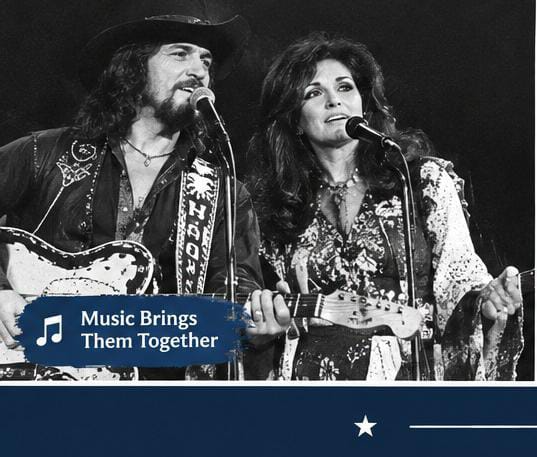
Waylon Jennings and Jesse Colter Songs
Fans searching for Waylon Jennings and Jesse Colter often want to know which songs they recorded together. Their collaborations span several years and include both early singles and later performances.
Some notable recordings include:
| Song | Connection |
|---|---|
| “Suspicious Minds” | Recorded together by Waylon and Jessi |
| “Under Your Spell Again” | Early duet released under their names |
| “Storms Never Last” | Written by Colter and performed by both artists |
| “Wild Side of Life / It Wasn’t God Who Made Honky Tonk Angels” | A later collaborative recording |
| “Deep in the West” | A later Jennings-Colter collaboration |
PBS specifically identifies “Suspicious Minds” and “Under Your Spell Again” as early Waylon and Jessi duets.
Their recording of “Storms Never Last” is particularly interesting because Colter wrote the song. The composition appeared in her own catalog and was also recorded by Jennings.
Why Is “Storms Never Last” Important?
“Storms Never Last” is one of the songs most strongly associated with the musical relationship between Waylon Jennings and Jessi Colter.
Colter wrote the song, and both artists recorded and performed it. The song’s central idea—enduring difficult periods while holding on to someone you love—has made it especially meaningful when heard in the context of their relationship.
The recording appeared in Jennings’s catalog and was also included on collaborative releases involving the two artists. Apple Music lists a Jennings and Colter version on Leather and Lace, released in 1981.
The song is also a good example of why Colter’s songwriting deserves attention separately from her relationship with Jennings.
She was not simply singing songs written by her husband. She was contributing her own material to their shared musical world.
Did Waylon Jennings and Jesse Colter Have Children?
Yes. Waylon Jennings and Jessi Colter had one son together, Waylon Albright “Shooter” Jennings, who was born in 1979.
Shooter Jennings later developed his own career as a musician and producer, continuing the family’s connection to country and roots music.
Colter also had a daughter, Jennifer, from her earlier marriage to Duane Eddy. This means the Jennings-Colter household was part of a blended family. PBS documents Colter’s earlier marriage and her later family life with Jennings.
Was Their Marriage Always Easy?
No. Their marriage experienced serious difficulties, particularly during periods when Jennings struggled with substance abuse.
It is tempting to turn famous relationships into simple stories of romance or conflict, but their history was more complicated. Colter has spoken publicly about both the rewarding and difficult sides of their marriage.
The Country Music Hall of Fame’s interview with Colter discusses the more complicated aspects of her relationship with Jennings and how their marriage influenced their faith, songwriting, and careers.
Her 2017 memoir, An Outlaw and a Lady, also explores her life with Jennings, their music, their family, and her faith.
This firsthand perspective is valuable because it allows their relationship to be understood as a real partnership rather than simply a celebrity love story.
What Made Their Musical Partnership Special?
Several things made their partnership memorable.
1. They Had Different Musical Strengths
Jennings was known for his rough-edged country voice, guitar playing, songwriting, and independent approach to recording.
Colter brought a different musical personality. Her background included piano, songwriting, and influences that gave her performances their own character.
Their differences helped their collaborations feel complementary rather than identical.
2. Colter Had Her Own Career
Jessi Colter’s success with “I’m Not Lisa” is especially important.
The song became a No. 1 country hit and crossed into the pop market, showing that Colter could achieve major success independently.
This matters because many discussions of famous musical couples focus heavily on the more commercially dominant partner.
In the case of Waylon Jennings and Jessi Colter, both artists deserve individual recognition.
3. Their Personal Relationship Influenced Their Music
Marriage gave their collaborations a level of emotional context that audiences could easily recognize.
Songs about love, hardship, loyalty, and difficult periods naturally carried additional meaning when performed by two people who shared a long and complicated life together.
The Country Music Hall of Fame notes that Colter herself has discussed how their relationship affected both their careers and their spiritual lives.
Waylon Jennings’s Legacy After His Death
Waylon Jennings died on February 13, 2002, from complications related to diabetes. He had been inducted into the Country Music Hall of Fame in 2001, shortly before his death.
His legacy is closely connected to the rise of Outlaw country.
Rather than following every expectation of the Nashville establishment, Jennings became known for demanding greater artistic control. His career helped demonstrate that country artists could build successful careers while maintaining a strong personal identity.
His influence also extended beyond his own recordings through collaborations with Willie Nelson, Johnny Cash, Jessi Colter, and many other artists.
What Happened to Jessi Colter After Waylon Jennings?
Jessi Colter continued her musical career after Jennings’s death.
She released Out of the Ashes in 2006 and later returned with The Psalms in 2017. That same year, she published her memoir An Outlaw and a Lady: A Memoir of Music, Life with Waylon, and the Faith That Brought Me Home.
Colter’s later work showed that her musical identity did not end with her husband’s death.
Her career remains an important part of the history of women in country music and of the broader Outlaw movement.
Common Misunderstandings About Waylon Jennings and Jesse Colter
When researching famous musicians, it is easy to confuse their individual careers with their shared history.
Here are a few points worth keeping straight:
Mistake 1: Thinking Jessi Colter Was Only Waylon’s Wife
This overlooks her own recording career and songwriting achievements.
Better understanding: Colter had a professional identity of her own, including major success with “I’m Not Lisa.”
Mistake 2: Assuming They Only Worked Together
Their collaborations were important, but both artists also released substantial solo work.
Better understanding: Jennings and Colter were individual artists who sometimes joined forces professionally.
Mistake 3: Treating Outlaw Country as a Band
“Outlaw country” refers to a musical movement and approach rather than a single band.
Better understanding: Jennings, Nelson, Colter, and other artists became associated with the movement in different ways.
Mistake 4: Ignoring Colter’s Role in Wanted! The Outlaws
Colter was one of the four artists represented on the landmark 1976 compilation.
Better understanding: Her presence was part of the project’s identity and commercial success.
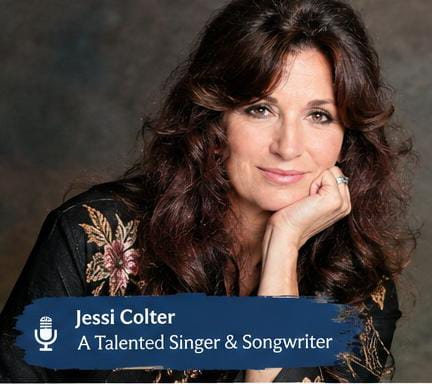
Why Waylon Jennings and Jesse Colter Still Matter
The story of Waylon Jennings and Jesse Colter remains relevant because it connects several important themes in American music.
Their lives show how country music changed during the 1960s and 1970s. They also demonstrate how marriage and creative partnership can overlap without completely defining either person’s artistic identity.
Jennings represents artistic independence and the development of Outlaw country. Colter represents songwriting, vocal individuality, and the growing visibility of women within the same musical world.
Together, they form one of country music’s most recognizable couples.
Their story is not memorable simply because they were famous. It is memorable because their personal relationship existed alongside two substantial musical careers.
Frequently Asked Questions
1. Were Waylon Jennings and Jesse Colter married?
Yes. Waylon Jennings and Jessi Colter married in October 1969 in Phoenix, Arizona, and remained married until Jennings’s death in 2002.
2. What was Jesse Colter’s real name?
Jessi Colter was born Mirriam Johnson. She later adopted the professional name Jessi Colter as her recording career developed.
3. What is the most famous song by Waylon Jennings and Jesse Colter?
There is no single answer for every listener, but “Storms Never Last” is one of their best-known collaborative recordings. Colter wrote the song, and both artists recorded it.
4. Did Waylon Jennings and Jesse Colter have children?
Yes. They had one son together, Waylon Albright “Shooter” Jennings. Colter also had a daughter from her earlier marriage to Duane Eddy.
5. Was Jessi Colter part of Outlaw country?
Yes. Colter became closely associated with the Outlaw country movement and appeared alongside Jennings, Willie Nelson, and Tompall Glaser on Wanted! The Outlaws.
6. What was Jessi Colter’s biggest hit?
Her best-known commercial hit is “I’m Not Lisa,” which reached No. 1 on the Billboard country chart and also crossed over successfully to the pop chart.
7. When did Waylon Jennings die?
Waylon Jennings died on February 13, 2002. He was 64 years old.
8. Did Jessi Colter write songs herself?
Yes. Colter was a songwriter as well as a singer and pianist. “Storms Never Last” is one example of a song she wrote that became associated with both her own work and Jennings’s recordings.
Conclusion
The story of Waylon Jennings and Jesse Colter brings together love, family, songwriting, musical independence, and one of country music’s most transformative eras.
Jennings became a defining figure in Outlaw country, while Colter established herself as a respected singer and songwriter with major success of her own. Their marriage connected two distinct musical careers and placed them at the center of a changing country music landscape.
Their collaborations, including “Suspicious Minds” and “Storms Never Last,” remain part of their shared musical legacy. Just as importantly, their individual achievements show why neither artist should be remembered only through the other.
For anyone exploring the history of country music, Waylon Jennings and Jessi Colter offer a fascinating example of how personal relationships and artistic independence can exist side by side.