




Introduction
Relationships are an important part of everyday life. They influence how people see themselves, how they handle challenges, and how comfortable they feel expressing their thoughts and emotions. Whether a relationship is romantic, long-term, or still developing, most people want to feel appreciated, respected, and understood by their partner.
However, not every relationship develops in a healthy direction. Sometimes, behaviors that initially seem insignificant gradually become recurring problems. Frequent arguments, jealousy, emotional distance, and a lack of trust can slowly affect the connection between two people.
The difficult part is that unhealthy dynamics are not always easy to recognize, especially when strong feelings are involved. People may become accustomed to certain behaviors or convince themselves that every couple experiences the same difficulties. Learning to distinguish normal relationship challenges from harmful patterns is an important step toward building healthier connections.
1. Understand What Makes a Relationship Healthy
A healthy relationship does not mean two people agree about everything. Differences in personality, expectations, and opinions are completely normal. What matters is how partners handle those differences.
In a supportive relationship, both individuals have room to express themselves without constantly worrying about criticism or rejection. They can discuss uncomfortable subjects, admit mistakes, and work through disagreements without trying to hurt each other.
Some common characteristics of healthy relationships include:
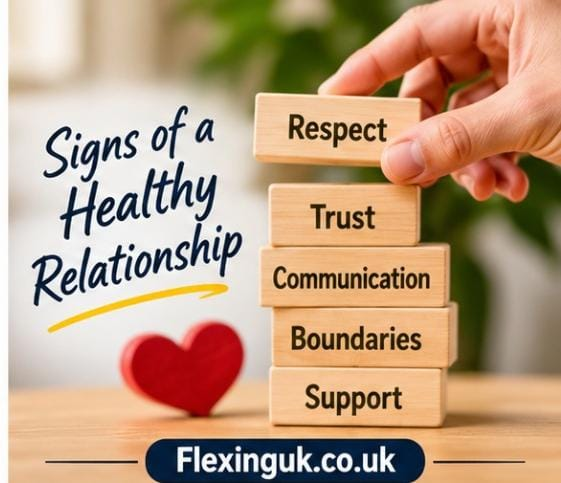
- Mutual respect: Both partners value each other’s opinions, boundaries, and individuality.
- Honest communication: Difficult conversations are approached with openness rather than manipulation or blame.
- Emotional support: Each person feels comfortable asking for help during stressful periods.
- Personal independence: Partners maintain their friendships, interests, and individual goals.
- Shared responsibility: Both people contribute to maintaining the relationship rather than expecting one person to do all the work.
These qualities do not guarantee a perfect relationship, but they create a foundation where both individuals can feel secure and appreciated.
2. Recognize the Warning Signs of Unhealthy Relationship Dynamics
Unhealthy relationships rarely become problematic overnight. In many situations, the warning signs develop gradually, making them difficult to identify at first.
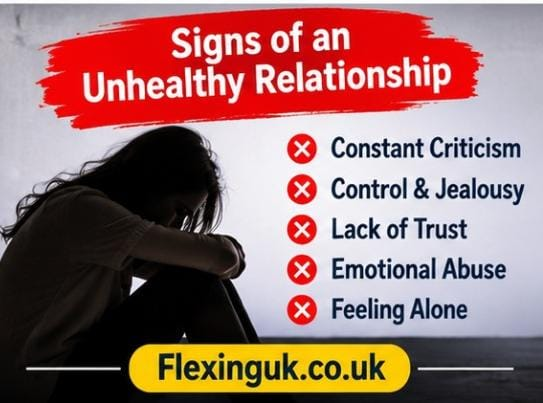
One common example is excessive jealousy. Feeling occasional insecurity is human, but constantly questioning a partner’s activities, demanding access to private messages, or becoming upset whenever they spend time with friends can indicate a deeper issue.
Another warning sign is repeated disrespect. This may involve dismissing someone’s feelings, making hurtful jokes, bringing up personal insecurities during arguments, or refusing to acknowledge mistakes.
Emotional manipulation can also affect the relationship. For example, one partner might regularly make the other feel guilty for expressing concerns or turn every disagreement into a situation where they are somehow responsible for everything.
Other behaviors worth paying attention to include:
- Frequently criticizing or belittling a partner.
- Using silence as punishment after disagreements.
- Trying to control clothing, friendships, or daily activities.
- Making promises to change but repeatedly returning to the same behavior.
- Ignoring clearly communicated emotional or personal boundaries.
One isolated disagreement does not necessarily indicate a toxic relationship. The more important question is whether harmful behaviors form a repeated pattern and whether both partners are willing to address them.
3. Ask Yourself the Difficult Questions
When relationship problems become part of everyday life, people sometimes stop questioning whether the situation is acceptable. They may focus so much on keeping the relationship together that they overlook how it affects their own well-being.
Taking a step back can help bring some perspective.
For instance, consider how you generally feel after spending time with your partner. Do you feel supported and comfortable, or do you frequently experience anxiety, frustration, or self-doubt?
It can also be useful to reflect on questions such as:
- Can I express my opinions without being afraid of the reaction?
- Do I feel that my boundaries are respected?
- Am I able to maintain my own interests and friendships?
- Can we resolve disagreements without personal attacks?
- Do I feel appreciated, or am I constantly trying to prove my worth?
If these questions are difficult to answer, a structured self-reflection exercise may provide another starting point. Taking the is my relationship toxic quiz can help individuals consider different relationship behaviors and recognize patterns they might not have previously examined.
Such a quiz should be viewed as a reflection tool rather than a professional diagnosis or a final judgment about a relationship. Its value lies in encouraging honest consideration of personal experiences.
4. Pay Attention to How Communication Changes
Communication often reveals a great deal about the condition of a relationship. In the beginning, partners may find it easy to discuss almost anything. Over time, however, unresolved disagreements can make even simple conversations uncomfortable.
For example, one person might stop bringing up concerns because previous attempts led to arguments. Another might avoid discussing certain topics to prevent their partner from becoming upset.
This creates a cycle in which problems remain unresolved. Although avoiding difficult conversations may provide temporary relief, it rarely improves the underlying situation.
Healthy communication requires more than simply talking. It also involves listening, asking questions, acknowledging feelings, and being willing to understand another person’s perspective.
Instead of responding defensively, partners can try using statements that explain their own experiences. Saying, “I felt ignored when that happened,” is generally more constructive than immediately accusing someone of never caring.
Of course, communication requires effort from both sides. One person cannot create a healthy dialogue if the other consistently refuses to listen or uses conversations to intimidate or manipulate them.
5. Understand the Difference Between Boundaries and Control
Personal boundaries are essential in every relationship. They help individuals communicate what they are comfortable with and what they are not willing to accept.
For example, someone might need uninterrupted time to work, prefer keeping certain personal conversations private, or want to maintain regular contact with close friends. These preferences are not necessarily signs of emotional distance.
The difference between boundaries and control is particularly important.
A boundary communicates what someone needs for their own well-being. Control attempts to dictate another person’s choices.
Consider the difference between these two statements:
- “I need some time to myself after a stressful day.”
- “You are not allowed to spend time with your friends because I don’t like it.”
The first communicates a personal need, while the second attempts to restrict another person’s independence.
Partners do not have to share every preference or agree on every boundary. However, they should be able to discuss expectations without threats, intimidation, or pressure.
6. Rebuild Trust Through Consistent Actions
Trust is not established through promises alone. It develops through repeated actions that demonstrate honesty, reliability, and consideration.
When trust has been damaged, both partners may need time to understand what happened and decide whether rebuilding the relationship is possible.
A meaningful effort to restore trust might involve acknowledging past mistakes, answering reasonable questions honestly, respecting privacy, and following through on commitments.
It is also important to recognize that rebuilding trust should not require one person to surrender all personal freedom. Constantly checking a partner’s phone, monitoring their location, or demanding access to every conversation does not automatically create a secure relationship.
Instead, trust becomes stronger when both people demonstrate that their words and actions are consistent.
If dishonesty, manipulation, or betrayal continues despite repeated conversations, it may be necessary to reconsider whether the relationship is meeting either person’s needs.
7. Know When to Seek Outside Support
Sometimes, relationship difficulties become too complicated to resolve independently. Speaking with a qualified therapist or counselor can help individuals understand recurring patterns, communicate more effectively, and make informed decisions about their relationships.
Professional support can be particularly useful when partners repeatedly experience the same conflicts without reaching a meaningful resolution.
It is equally important to remember that seeking help does not mean someone has failed. Recognizing that a situation is difficult and asking for support can be a positive step toward personal growth.
In relationships involving intimidation, threats, physical violence, or coercive control, personal safety should come first. Individual support and guidance from appropriate local services may be more suitable than attempting to resolve the situation through ordinary relationship discussions or couples counseling.
Conclusion
Understanding the difference between healthy and unhealthy relationship patterns takes time and honest self-reflection. Every couple experiences disagreements, misunderstandings, and periods of uncertainty. These challenges do not automatically mean a relationship is unhealthy.
What matters is how partners treat each other when problems arise. Respect, communication, trust, and personal independence should remain important even during difficult periods.
By paying attention to recurring behaviors, recognizing personal boundaries, and asking meaningful questions, individuals can better understand their relationships and decide what changes may be necessary.
Ultimately, a healthy relationship should provide space for both people to grow, feel valued, and maintain their sense of identity. Love matters, but so do respect, emotional safety, and the ability to be yourself.
For more: Visit: FlexingUK