



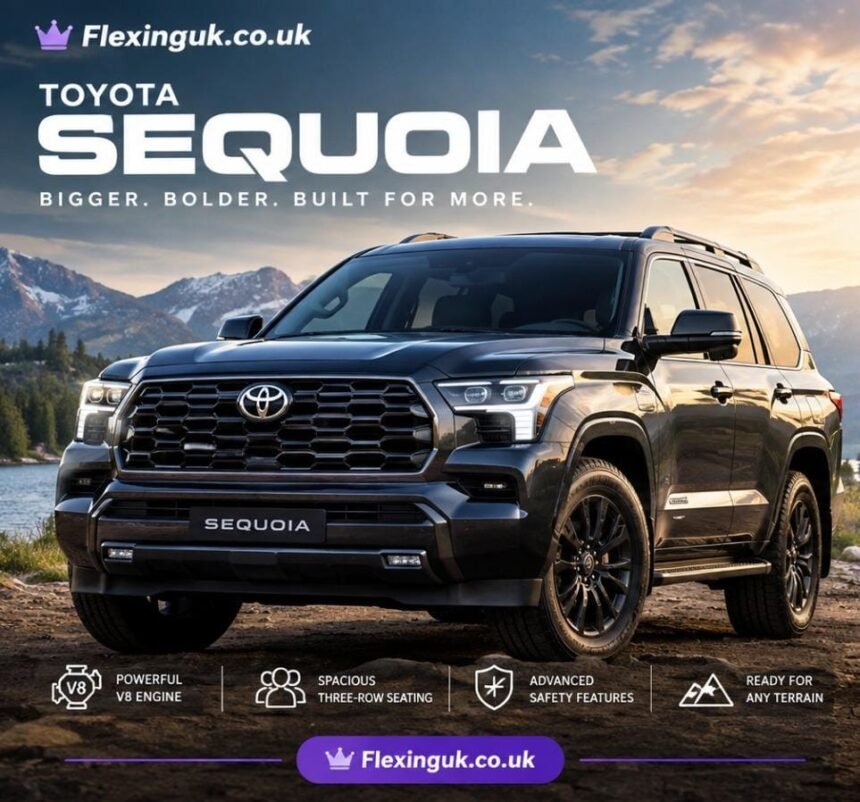
Choosing a large SUV is not only about getting more seats. Buyers usually want a vehicle that can handle family responsibilities, long road trips, heavy cargo, and challenging driving conditions. The Toyota Sequoia is built for people who need full-size SUV capability without giving up modern comfort and technology.
Unlike many crossover SUVs, the Sequoia follows a truck-based design approach. This gives it the strength needed for towing and outdoor adventures while still providing a comfortable cabin for everyday use. The latest generation also introduced Toyota’s i-FORCE MAX hybrid powertrain, bringing stronger performance and improved efficiency compared with previous V8 models.
This guide explains the Toyota Sequoia’s performance, interior, trims, reliability, fuel economy, and important factors to consider before buying one.
What Makes the Toyota Sequoia Different From Other Full-Size SUVs?
The Toyota Sequoia belongs to the full-size SUV category, where vehicles are designed to provide maximum passenger space, strong engines, and high towing capability.
One of the biggest differences between the Sequoia and many modern SUVs is its body-on-frame construction. Instead of using a car-based platform, it uses a stronger frame design similar to pickup trucks.
This approach provides several benefits:
- Better towing strength
- Improved durability under heavy loads
- Greater off-road capability
- More confidence when carrying passengers and cargo
The Sequoia shares engineering with Toyota’s truck family, which helps explain its rugged character and practical design.
Toyota Sequoia Key Specifications
| Feature | Details |
|---|---|
| Vehicle Type | Full-size three-row SUV |
| Seating Capacity | Up to 8 passengers |
| Platform | Truck-based body-on-frame architecture |
| Engine | Twin-turbo V6 hybrid |
| Horsepower | 437 hp |
| Torque | 583 lb.-ft. |
| Maximum Towing | Up to 9,500 pounds (depending on configuration) |
Toyota Sequoia Engine and Performance Explained
Performance is one of the strongest reasons buyers consider the Toyota Sequoia. A large SUV needs enough power to move heavy weight comfortably, especially when passengers, luggage, or trailers are involved.
i-FORCE MAX Hybrid Powertrain
The current Toyota Sequoia uses Toyota’s i-FORCE MAX hybrid system. It combines:
- A twin-turbocharged V6 gasoline engine
- An electric motor
- A 10-speed automatic transmission
Together, this system produces strong acceleration and high torque output. The electric motor helps deliver quicker response, especially during low-speed driving and towing situations.
For daily driving, this means smoother power delivery. Meanwhile, during demanding situations, such as climbing steep roads or pulling a trailer, the extra torque becomes especially useful.
Why Torque Matters in a Large SUV
Horsepower often gets the most attention, but torque is equally important for vehicles like the Sequoia.
Torque helps with:
- Moving heavy loads
- Towing trailers
- Accelerating with a full cabin
- Handling steep terrain
Therefore, a high-torque engine can make a large SUV feel more capable and controlled.
Toyota Sequoia Towing Capacity and Capability
Many buyers choose a full-size SUV because they need towing ability. The Toyota Sequoia is designed for recreational and practical towing needs.
Depending on the model configuration, the Sequoia can tow up to approximately 9,500 pounds.
This capability makes it suitable for:
- Camping trailers
- Boats
- Outdoor equipment
- Utility trailers
Towing Features Available in Toyota Sequoia
The SUV includes features designed to make towing easier, such as:
- Trailer brake controller
- Tow/haul driving modes
- Trailer assistance technology
- Strong frame construction
However, towing performance depends on the specific trim, drivetrain, and equipment package. Owners should always check the official towing rating for their exact vehicle.
Toyota Sequoia Interior: Space, Comfort, and Technology
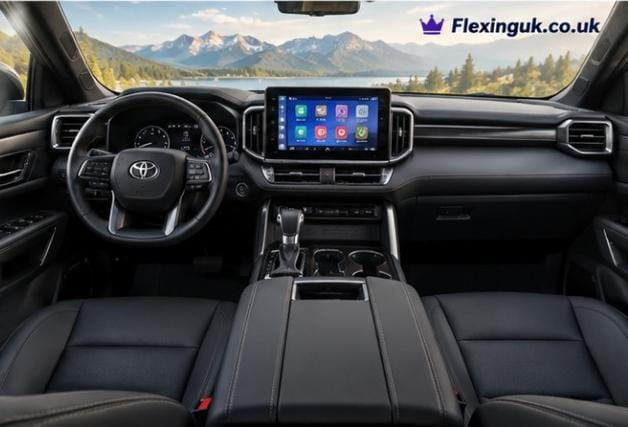
A full-size SUV must offer more than power. It also needs to provide comfort for families and passengers.
The Toyota Sequoia offers three rows of seating with flexible configurations. Depending on the setup, it can accommodate up to eight passengers.
Passenger and Cargo Practicality
The interior is designed for:
- Family transportation
- Long-distance travel
- Flexible cargo arrangements
- Outdoor activities
The second row can be configured with either a bench seat or captain’s chairs, depending on the trim. Additionally, the third row provides extra passenger space when needed.
Technology Features
Modern Toyota Sequoia models include technology such as:
- Large touchscreen infotainment system
- Smartphone connectivity
- Digital displays
- Wireless charging options
- Premium audio availability
Higher trims add more luxury-focused details, including upgraded materials and additional comfort features.
Toyota Sequoia Trim Levels Explained
Toyota offers different Sequoia trims to match different lifestyles. Each version focuses on a different type of buyer.
SR5: Practical and Capable
The SR5 is designed for buyers who want Sequoia capability with essential features.
It is suitable for:
- Families
- Everyday driving
- Buyers who value practicality
Limited: More Comfort Features
The Limited trim adds more convenience features and a more refined interior experience.
It appeals to buyers who want extra comfort without moving into luxury pricing.
Platinum: Premium SUV Experience
The Platinum model focuses on luxury with upgraded interior materials and additional technology features.
It is aimed at drivers who want a more upscale cabin.
TRD Pro: Built for Adventure
The TRD Pro version targets off-road enthusiasts.
It adds features designed for challenging terrain, including specialized suspension and off-road equipment.
Capstone: Luxury-Focused Design
The Capstone trim represents the premium side of the Sequoia lineup with upscale styling and interior finishes.
Toyota Sequoia Safety Features
Safety is an important consideration for families purchasing large SUVs.
Modern Sequoia models include Toyota Safety Sense technology, which provides driver assistance features designed to support safer driving.
Available features include:
- Pre-collision warning
- Automatic emergency braking
- Adaptive cruise control
- Lane departure alerts
- Lane tracing assistance
These systems can help drivers stay aware of changing road conditions. However, they are designed as assistance tools and do not replace careful driving.
Is the Toyota Sequoia Reliable?
Toyota has built a strong reputation for producing durable vehicles, and the Sequoia benefits from that engineering philosophy.
However, reliability depends on several factors, including:
- Maintenance history
- Driving habits
- Climate conditions
- Previous ownership
A properly maintained Sequoia can provide dependable service for many years.
Maintenance Tips for Long-Term Ownership
To keep a Toyota Sequoia running smoothly:
- Follow the recommended service schedule.
- Change engine oil and fluids on time.
- Inspect brakes and tires regularly.
- Check suspension components, especially if towing frequently.
- Address warning lights early.
Regular maintenance is one of the biggest factors affecting vehicle lifespan.
Toyota Sequoia Fuel Economy: What Buyers Should Know
Large SUVs naturally use more fuel because they are heavier and designed for higher capability.
The hybrid powertrain improves efficiency compared with older V8-powered Sequoia models. However, buyers should remember that the Sequoia is still a large SUV built around strength, space, and towing ability.
Therefore, it is better suited for people who prioritize:
- Passenger capacity
- Power
- Towing
- Versatility
Drivers mainly focused on the lowest fuel costs may prefer smaller SUVs.
Toyota Sequoia vs Other Full-Size SUVs
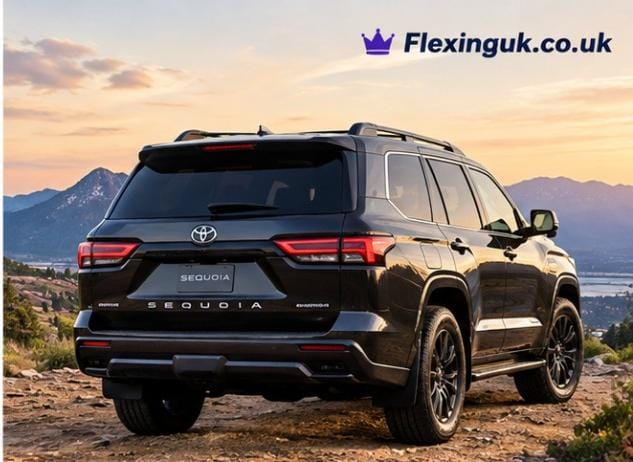
The Sequoia competes with several popular large SUVs.
| SUV | Main Strength |
|---|---|
| Toyota Sequoia | Hybrid power and truck-based capability |
| Chevrolet Tahoe | Spacious cabin and multiple engine options |
| Ford Expedition | Strong towing and passenger space |
| Nissan Armada | Powerful performance and traditional SUV design |
The right choice depends on your priorities, including budget, driving needs, passenger requirements, and towing expectations.
Common Toyota Sequoia Buying Mistakes
Choosing More Vehicle Than You Need
A full-size SUV offers impressive capability, but it may feel unnecessary for buyers who mainly drive short city routes.
Ignoring Ownership Costs
Fuel, insurance, maintenance, and tires can cost more compared with smaller vehicles.
Not Checking Used Vehicle History
When purchasing a used Sequoia, always review:
- Service records
- Accident history
- Mileage
- Previous modifications
Selecting the Wrong Trim
Some buyers pay extra for features they rarely use. Choose a trim based on your actual lifestyle rather than unnecessary upgrades.
Who Should Buy a Toyota Sequoia?
The Toyota Sequoia is a good match for drivers who need:
- Three-row seating
- Strong towing ability
- Long-distance comfort
- Off-road capability
- A durable full-size SUV
On the other hand, it may not be the best option for someone who wants a small, easy-to-park vehicle with maximum fuel savings.
Frequently Asked Questions About Toyota Sequoia
Is the Toyota Sequoia a good family SUV?
Yes. The Sequoia offers three rows of seating, strong safety technology, and a spacious interior, making it suitable for many families.
How many passengers can Toyota Sequoia carry?
Depending on the configuration, the Toyota Sequoia can seat up to eight passengers.
Does Toyota Sequoia have a hybrid engine?
Yes. Current models use Toyota’s i-FORCE MAX twin-turbo V6 hybrid powertrain.
How much can a Toyota Sequoia tow?
The Sequoia can tow up to around 9,500 pounds when properly equipped.
Is Toyota Sequoia good for off-road driving?
Yes. Certain trims, especially TRD Pro models, include features designed for off-road conditions.
Is Toyota Sequoia expensive to maintain?
Maintenance costs depend on usage and location. Regular servicing helps prevent expensive repairs over time.
What is the difference between old and new Toyota Sequoia models?
Older models mainly used V8 engines, while newer generations introduced a hybrid twin-turbo V6 system with improved performance and efficiency.
Conclusion: Is the Toyota Sequoia Worth Buying?
The Toyota Sequoia is a powerful full-size SUV built for people who need space, capability, and confidence on different types of roads.
Its hybrid powertrain, towing strength, three-row interior, and durable construction make it a practical choice for families, travelers, and outdoor enthusiasts.
Before purchasing, consider your daily driving needs, budget, and required features. A Toyota Sequoia makes the most sense for buyers who want a large SUV that can handle both everyday responsibilities and bigger adventures.